Identity data helps businesses and organizations recognize, verify, and connect people, accounts, and entities across systems.
It plays an important role in customer onboarding, fraud prevention, personalization, access control, and data management. But identity data is not one single category. It can include verified account information, device and account identifiers, consented profile data, and other signals used to connect records.
In sensitive industries, identity data must be handled with strong privacy, security, and governance controls.
What Is Identity Data?
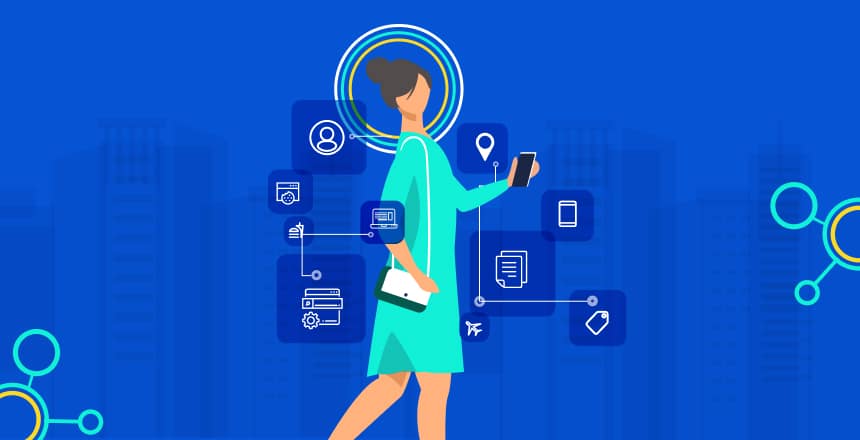
Identity data is information used to distinguish one person, account, household, device, or entity from another.
Depending on the use case, this can include contact details, account identifiers, authentication signals, device IDs, customer IDs, or other attributes used to match and manage records.
It is important to separate commercial identity data from highly sensitive personal credentials. For example, Social Security numbers, biometric templates, medical identifiers, and government-issued identity records require much stricter handling and are not interchangeable with audience or marketing identity data.
The value of identity data comes from helping organizations answer a simple question: are these records, accounts, or interactions connected to the same person or entity?
Key Applications of Identity Data Across Industries
1. Finance and Banking
Financial institutions use identity data to support customer onboarding, account security, fraud prevention, and service delivery.
Customer Onboarding
Banks and financial platforms need to confirm that new customers are who they claim to be.
Identity data supports processes such as account creation, identity verification, and customer record management. In regulated workflows, it can also support Know Your Customer processes when combined with approved verification systems and controls.
The goal is to reduce friction for legitimate customers while making it harder for fraudulent accounts to enter the system.
Fraud Detection
Identity signals can also help financial institutions detect unusual activity.
For example, a new device, sudden account changes, or conflicting identity information may indicate increased risk. These signals can be reviewed alongside transaction activity and existing fraud models.
Financial services teams can use identity and behavioral data to strengthen customer understanding and risk analysis.
2. Healthcare
Healthcare organizations depend on accurate identity management because mistakes can affect both privacy and patient safety.
Patient Record Matching
One of the most important uses of identity data in healthcare is matching records to the correct patient.
Hospitals and healthcare systems often store information across different platforms. Consistent identity matching can reduce duplicate records and help ensure that the right information is connected to the right patient.
Secure Access
Identity data also supports access control.
Healthcare professionals and patients need secure access to systems and records. Authentication and authorization processes help confirm who is requesting access and what they are permitted to view.
Because medical data is highly sensitive, identity systems in healthcare require particularly strong privacy and security controls.
3. Retail and E-commerce
Retailers use identity data to build a more consistent view of customers across online and offline interactions.
Connecting Customer Records
A customer may interact with a retailer through a website, mobile app, loyalty account, email campaign, or physical store.
Identity resolution helps connect these records where appropriate and permitted. This gives retailers a clearer view of customer activity without treating each interaction as a completely separate user.
Personalization
Once customer records are connected, retailers can improve personalization.
A brand may use previous purchases, preferences, or engagement history to provide more relevant recommendations, offers, and communications.
The value comes from consistency. Customers are more likely to receive relevant experiences when businesses can recognize them across different touchpoints.
Customer Relationship Management
Identity data also improves CRM quality.
Duplicate records, outdated contact information, and disconnected accounts can make customer data less useful. Better identity matching can help retailers maintain cleaner customer profiles and improve campaign measurement.
Retail teams can combine identity signals with audience and location intelligence to better understand customer behavior.
4. Telecommunications
Telecom providers manage large numbers of subscribers, devices, accounts, and service relationships.
Subscriber Management
Identity data helps telecom providers connect subscribers to the correct accounts and services.
This is important for account management, billing, customer support, and secure service access.
Fraud Prevention
Telecom fraud can involve account takeovers, unauthorized SIM changes, or false account creation.
Identity signals can help providers detect inconsistencies or unusual changes. These signals are most useful when combined with other fraud controls rather than used alone.
5. Marketing and Advertising
In advertising, identity data is often used to connect customer interactions across systems and improve audience activation.
Identity Resolution
A customer may use multiple devices, browsers, email addresses, or platforms.
Identity resolution helps businesses connect approved signals to build a more consistent customer view. This can improve audience matching, measurement, and campaign planning.
The process should be based on privacy-safe identifiers, appropriate consent, and clear data-use rules.
Audience Activation
Identity data can also help brands activate first-party audiences across approved marketing channels.
For example, a company may use hashed or pseudonymous identifiers to match customer records with an advertising platform. This can improve reach and reduce duplication without exposing raw personal information.
6. Government and Public Sector
Public-sector organizations use identity systems to manage access to services and maintain accurate records.
Citizen and Service Identification
Governments may use identity data to connect people with public services, benefits, licenses, or official records.
This requires a high level of accuracy because incorrect matching can affect access to important services.
Secure Service Delivery
Identity data also helps ensure that services are delivered to the correct person or account.
For digital public services, authentication systems can confirm identity before users access sensitive information or complete transactions.
Public-sector identity systems need strong governance, transparency, and security.
What Makes Identity Data Useful?
The value of identity data depends on how accurately and responsibly it connects records.
Poor identity matching can create duplicate profiles, incorrect customer views, and misleading analysis. Strong identity systems should improve consistency without collecting more information than necessary.
Organizations should evaluate identity data based on:
- Match quality and consistency
- Data freshness
- Permitted use and consent
- Security and privacy controls
- Integration with existing systems
- Clear handling of sensitive data
Identity data should solve a specific problem, such as reducing duplicate records or improving account security, rather than simply increasing the amount of data stored.
Future Trends in Identity Data
Privacy-Safe Identity
Privacy expectations and regulation continue to shape how identity data is collected and used.
Organizations are moving toward pseudonymous identifiers, data minimization, consent management, and controlled data-sharing environments. These approaches can reduce unnecessary exposure of personal information.
Stronger Authentication
Authentication is also becoming more secure.
Multi-factor authentication, passkeys, risk-based authentication, and device-based security can help organizations protect accounts without relying only on passwords.
AI-Assisted Identity Management
Artificial intelligence can help organizations detect duplicate records, identify suspicious behavior, and improve matching across large datasets.
However, AI-based identity decisions still require oversight. Poor-quality inputs can create incorrect matches or biased outcomes.
Enterprise AI development increasingly depends on reliable identity and behavioral signals to support better models and workflows.
Decentralized Identity
Decentralized identity models aim to give users more control over their credentials and how they are shared.
Adoption is still evolving, but the broader direction is clear: organizations are looking for ways to verify identity while exposing less personal information.
How Factori Supports Identity Use Cases
Factori provides identity data that can help businesses improve record matching, audience activation, data enrichment, and cross-platform analysis.
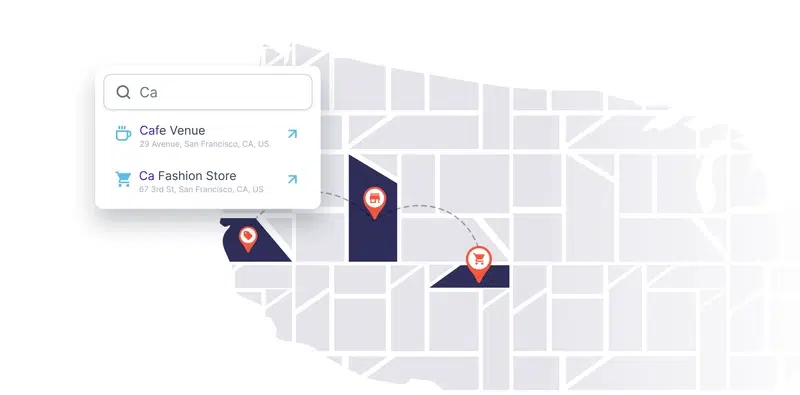
Identity signals can also be combined with Factori’s audience, consumer, mobility, and location datasets to help teams build a more connected view of customers and markets.
The focus is on privacy-aware data use, secure matching, and practical business applications rather than exposing sensitive personal credentials.
Conclusion
Identity data supports some of the most important digital processes used today, from customer onboarding and account security to personalization and audience activation.
Its value depends on accuracy, privacy, and responsible use. Organizations should understand what type of identity data they are using, why they need it, and how it is protected.
As identity systems evolve, the strongest approaches will be those that improve recognition and security while collecting and exposing less sensitive information.