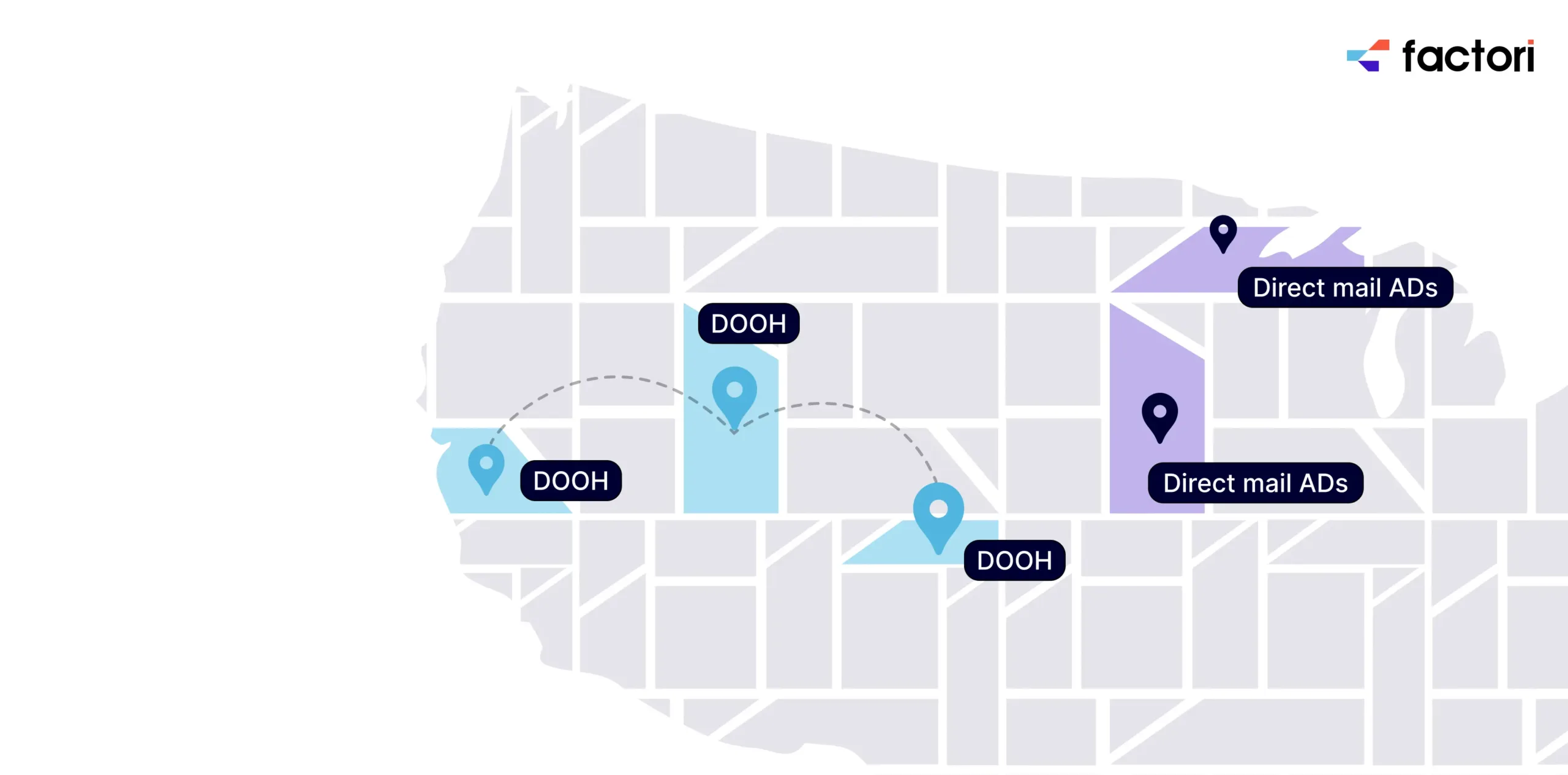
Location intelligence data is changing how businesses make decisions. It turns location-based information into insights that can improve planning, operations, and customer experience.
Businesses can use this data to understand where people are, how areas perform, and where demand is changing.
What Is Location Intelligence Data?
Location intelligence data is location-based information that is analyzed to find useful patterns and trends.
It often combines:
- Geographic information systems (GIS)
- Spatial analysis
- Maps and data visualization
- Location and movement data
These tools help businesses understand what is happening in a specific place and use that information to make better decisions.
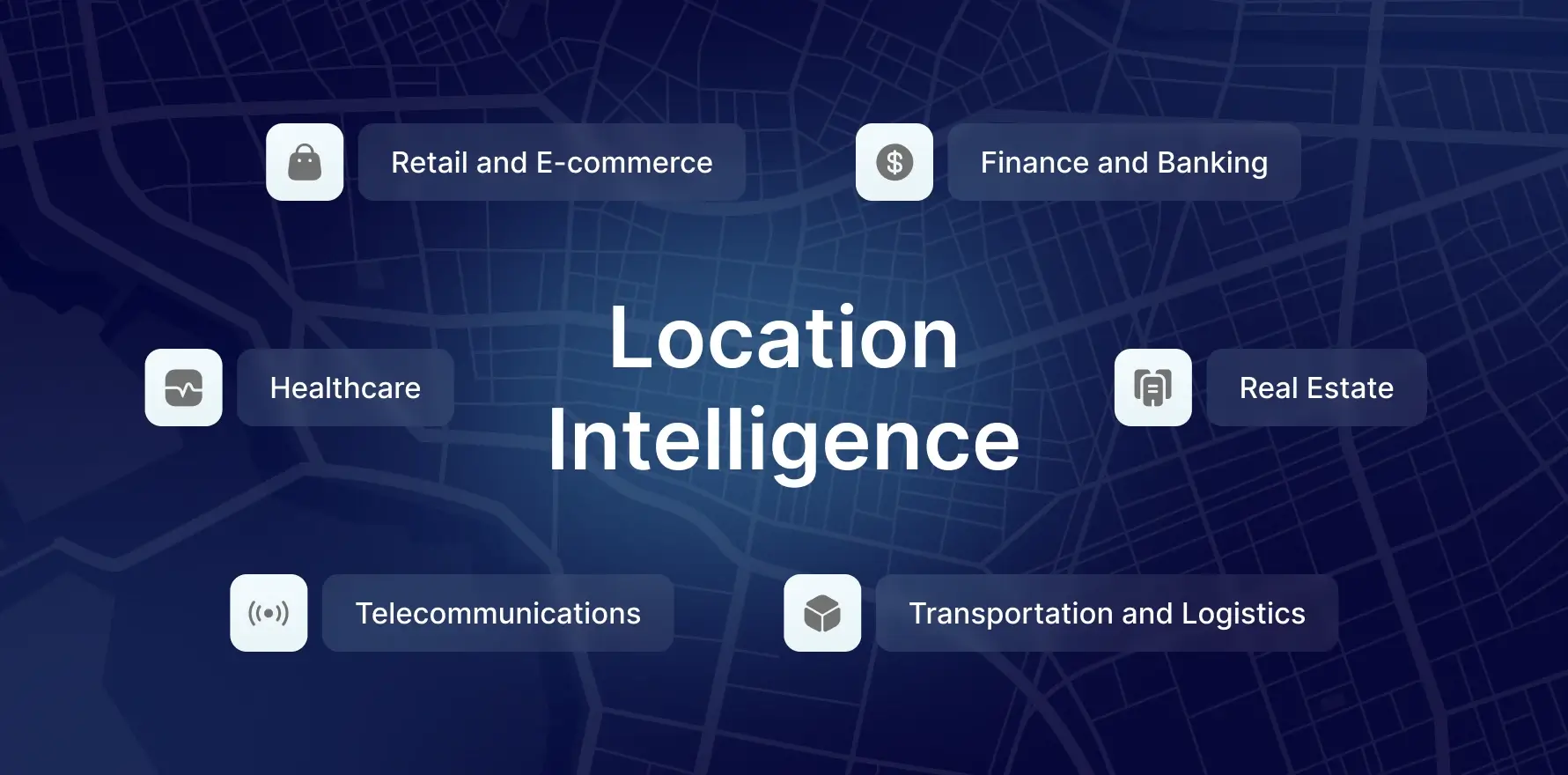
Key Uses of Location Intelligence Data Across Industries
1) Retail and E-commerce
Location intelligence data is widely used in retail and e-commerce.
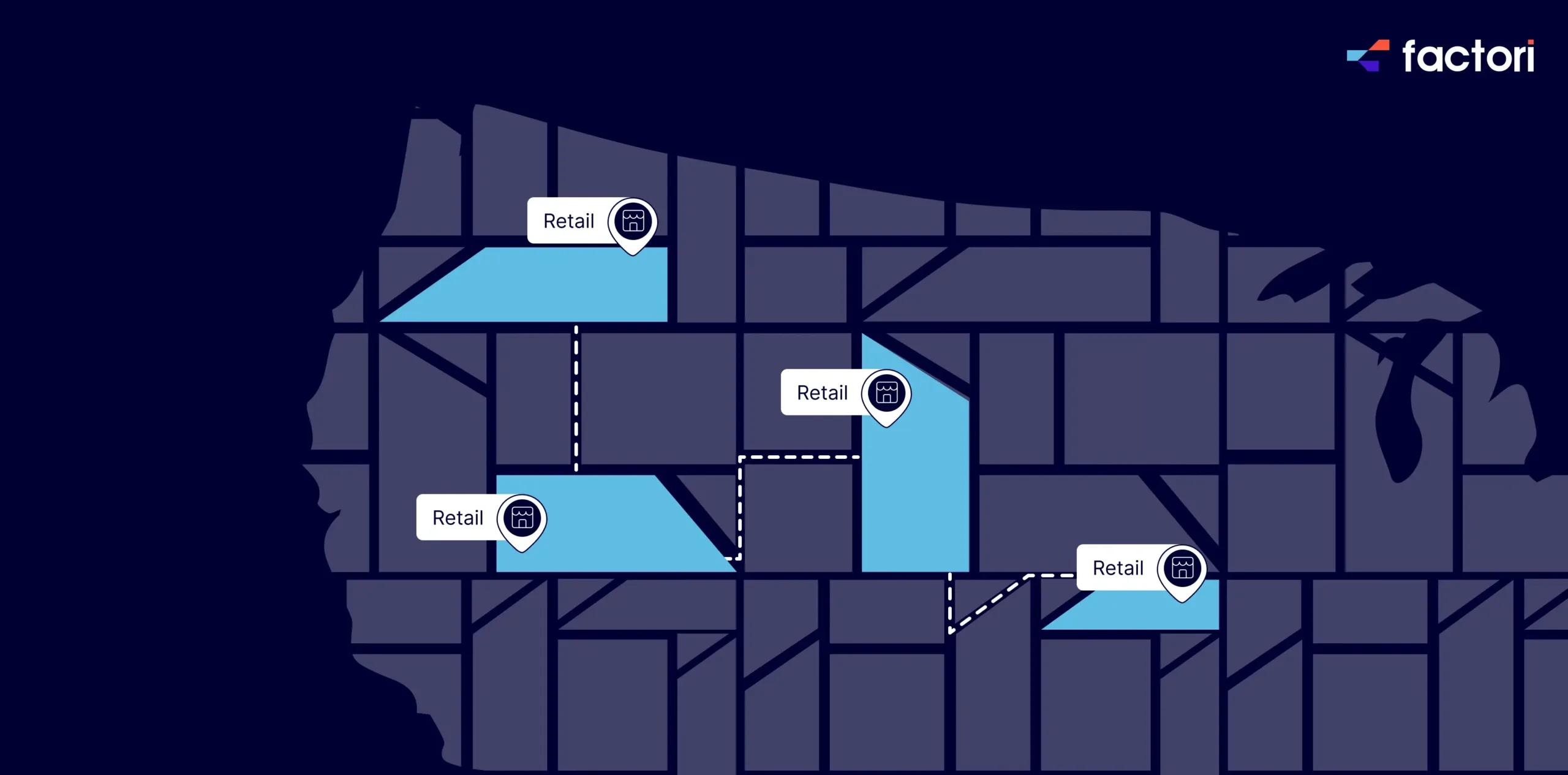
One of its main uses is store placement and site selection.
Retailers can study foot traffic, local demographics, and competitor locations before opening a new store. This helps them compare locations and identify areas with stronger customer potential.
Location intelligence also supports marketing.
By understanding customer locations and movement patterns, retailers can create more relevant promotions and campaigns. This can improve engagement and help reduce wasted marketing spend.
Explore how retail site selection solutions use location intelligence to identify high-potential store locations.
It can also support inventory management. Regional demand patterns can help retailers decide how much stock each location may need. This can reduce both stockouts and excess inventory.
2) Real Estate
Real estate teams use location intelligence to understand the value and potential of different areas.
For property valuation, location data can show how close a property is to schools, transport, shopping areas, and other important amenities. These factors can influence property value and demand.
Location intelligence also helps with site analysis.
Developers can study accessibility, nearby infrastructure, environmental factors, and local demand before choosing where to build.
It can also improve market analysis. Location-based insights can reveal demand patterns and customer preferences across different neighborhoods or regions.
This helps real estate teams make better investment and marketing decisions.
3) Transportation and Logistics
Transportation and logistics companies use location intelligence to improve route planning and delivery operations.
Route optimization can help companies reduce travel time, fuel use, and operating costs. Real-time traffic data can also help drivers avoid delays and congested roads.
Fleet management is another important use.
Companies can track vehicles, understand where delays happen, and manage routes more efficiently.
Location data also supports supply chain optimization. Businesses can monitor the movement of goods, identify bottlenecks, and improve delivery planning.
4) Healthcare
Healthcare providers can use location intelligence to understand where demand for services is highest.
For example, patient distribution data can help healthcare organizations decide where staff, equipment, and facilities are needed.
Location data can also support planning during health emergencies. It can help teams understand where cases are concentrated and where resources may need to be allocated.
In emergency response, location intelligence can help identify nearby resources and faster routes for emergency vehicles.
This can improve response times and support better use of available resources.
5) Telecommunications
Telecom companies use location intelligence to understand where network demand is strongest.
By analyzing customer locations and usage patterns, providers can identify areas with weak coverage or growing demand.
This can help them improve network performance and customer experience.
Location data also supports infrastructure planning.
Telecom providers can use it to decide where new cell towers and other network facilities should be placed. Better placement can improve coverage while reducing unnecessary infrastructure costs.
6) Finance and Banking
Financial institutions use location intelligence for market analysis, branch planning, and fraud detection.
Location-based transaction patterns can help identify activity that looks unusual. This can support existing fraud detection systems.
See how finance and insurance firms use location intelligence data to detect fraud and improve customer targeting.
Banks can also study where customers live, work, and access services. This can help them understand regional demand and improve market segmentation.
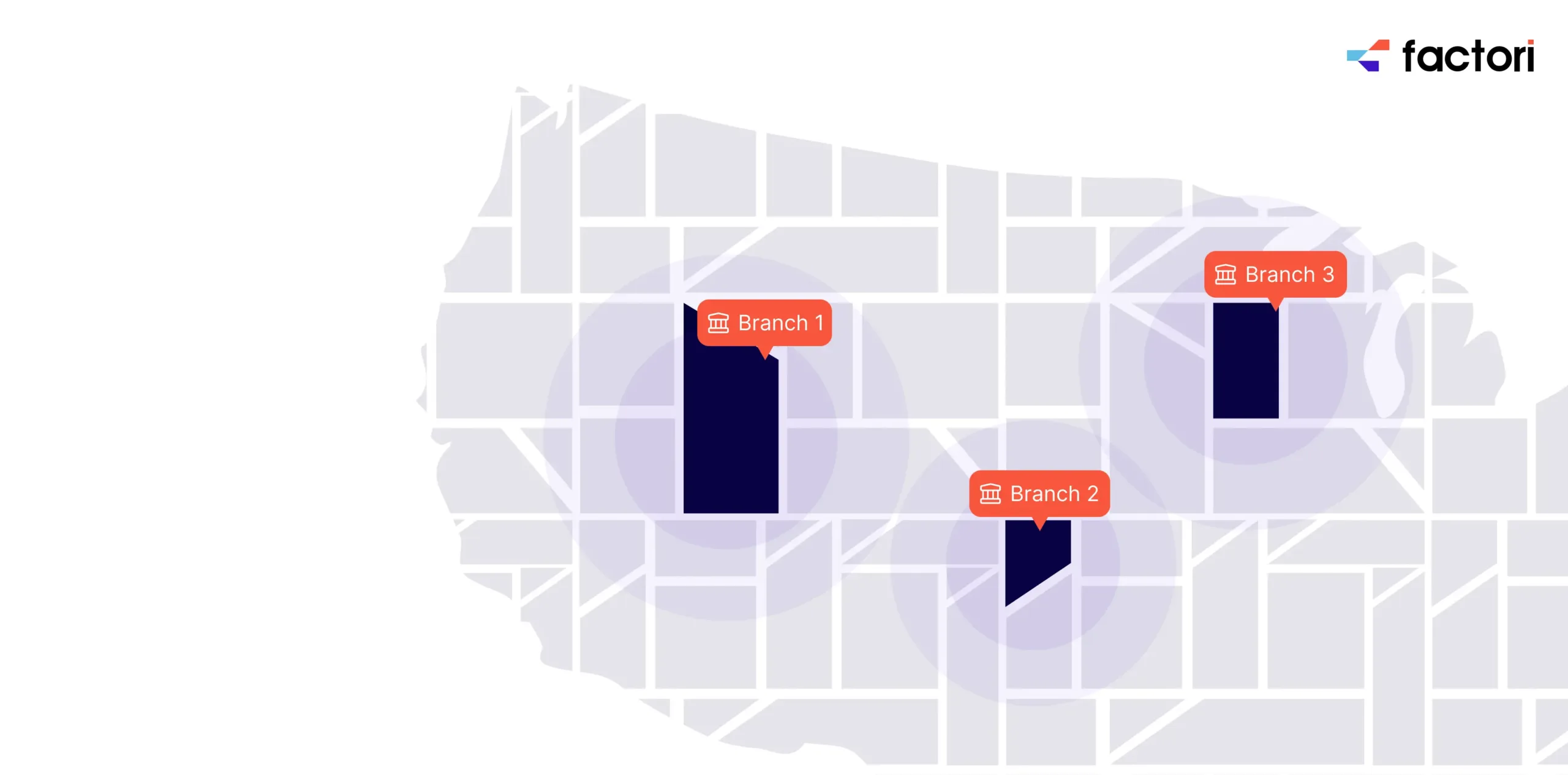
Location intelligence is also useful for branch and ATM planning.
Banks can compare demand, accessibility, and nearby competition before deciding where to open, close, or relocate a branch or ATM.
7) Government and Public Sector
Governments use location intelligence for urban planning, infrastructure, emergency response, and public services.
Population density and movement patterns can help public-sector teams understand where resources are needed.
For example, location data can support decisions about roads, public transport, schools, and other services.
It is also valuable in disaster management.
Location intelligence can help identify vulnerable areas, plan evacuation routes, and coordinate emergency response.
Law enforcement agencies can also study location-based crime patterns to improve resource planning and support public safety.
Why Location Intelligence Data Matters
Across industries, the value of location intelligence comes from adding geographic context to business data.
It helps organizations answer questions such as:
- Where is demand growing?
- Which locations are performing well?
- Where should resources be placed?
- Which areas have the strongest customer potential?
- Where are operational problems happening?
Without location context, businesses may see what is happening but not where it is happening or why one area performs differently from another.
Location intelligence helps close that gap.
Conclusion
Location intelligence data helps businesses turn location-based information into practical insights.
It supports decisions across retail, real estate, logistics, healthcare, telecommunications, finance, and the public sector.
Its value comes from helping organizations understand where customers, demand, assets, and risks are located.
Discover how foot traffic data from Factori powers location intelligence across retail, real estate, and beyond.
As location data becomes easier to access and analyze, businesses will have more opportunities to use it for planning, operations, and customer strategy.
Understanding location intelligence data and key use cases is becoming increasingly important for organizations that want to make more informed, location-aware decisions.